January Fieldwork in S California

January Fieldwork in S California

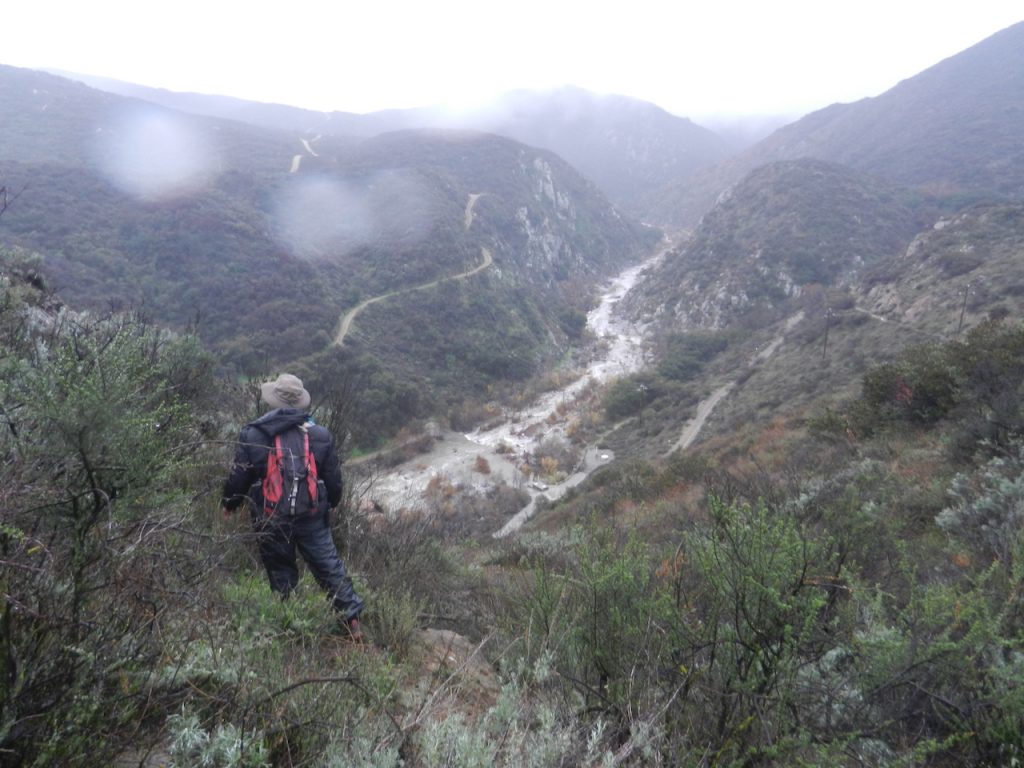
In mid-January, two researchers from the Rothfels Lab, Keir Wefferling, focusing on Pentagramma (the goldback and silverback ferns in Pteridaceae) and Forrest Freund, with a focus on the lycophyte genus Isoëtes, (quillworts, in Isoëtaceae) visited three SDSU and UCNRS Ecological Reserves and a number of National Wildlife Refuge sites in San Diego, Riverside, and San Bernardino Counties. Their fieldwork took place amidst some magnificent rains, wind, and sun!
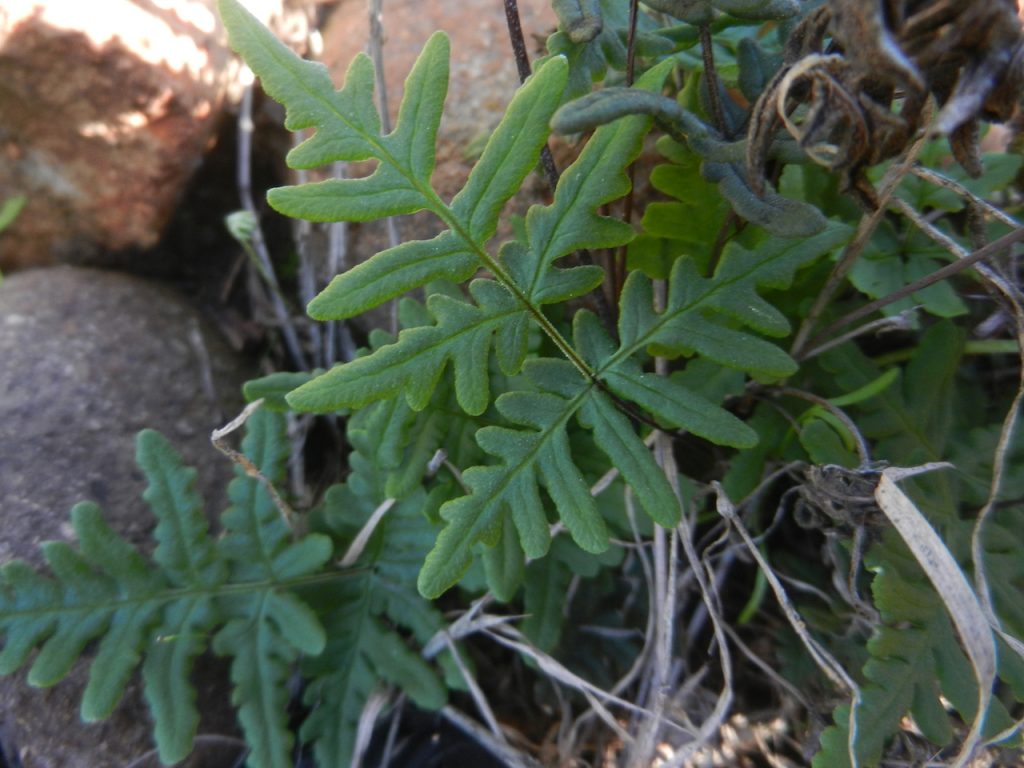
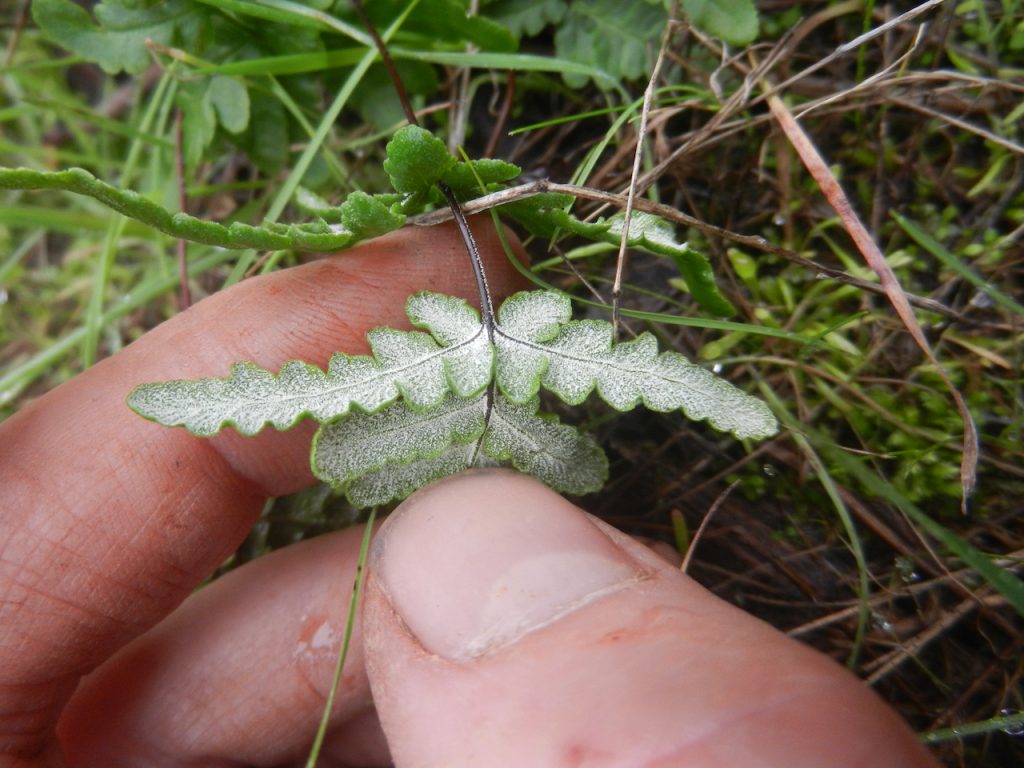
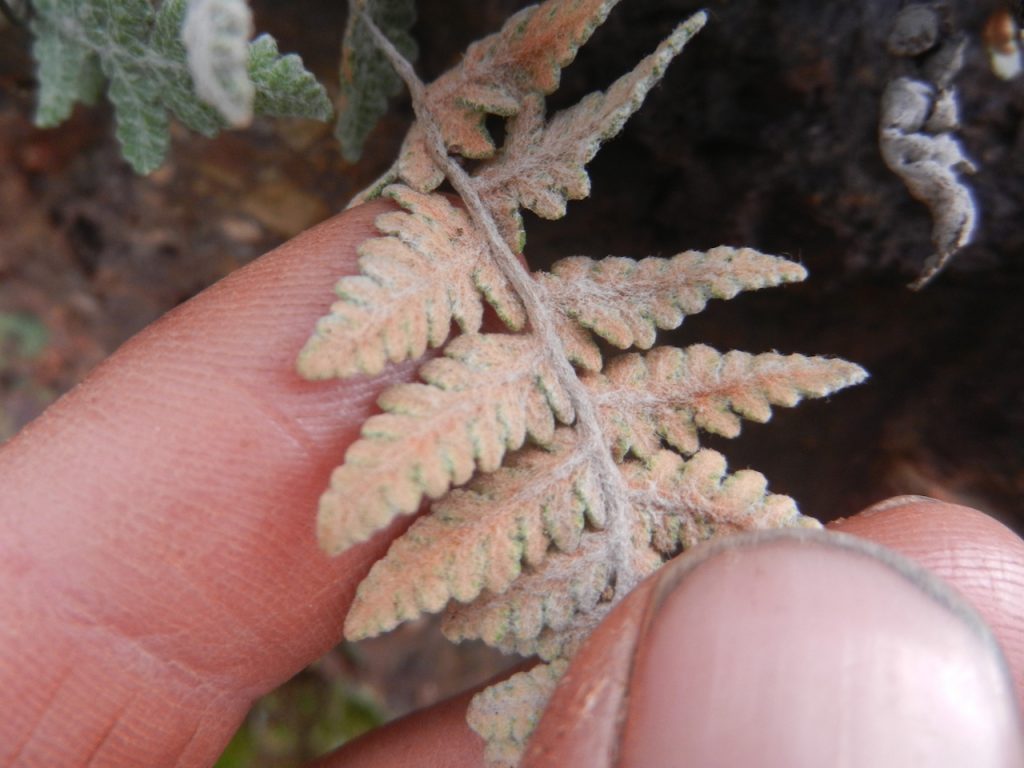
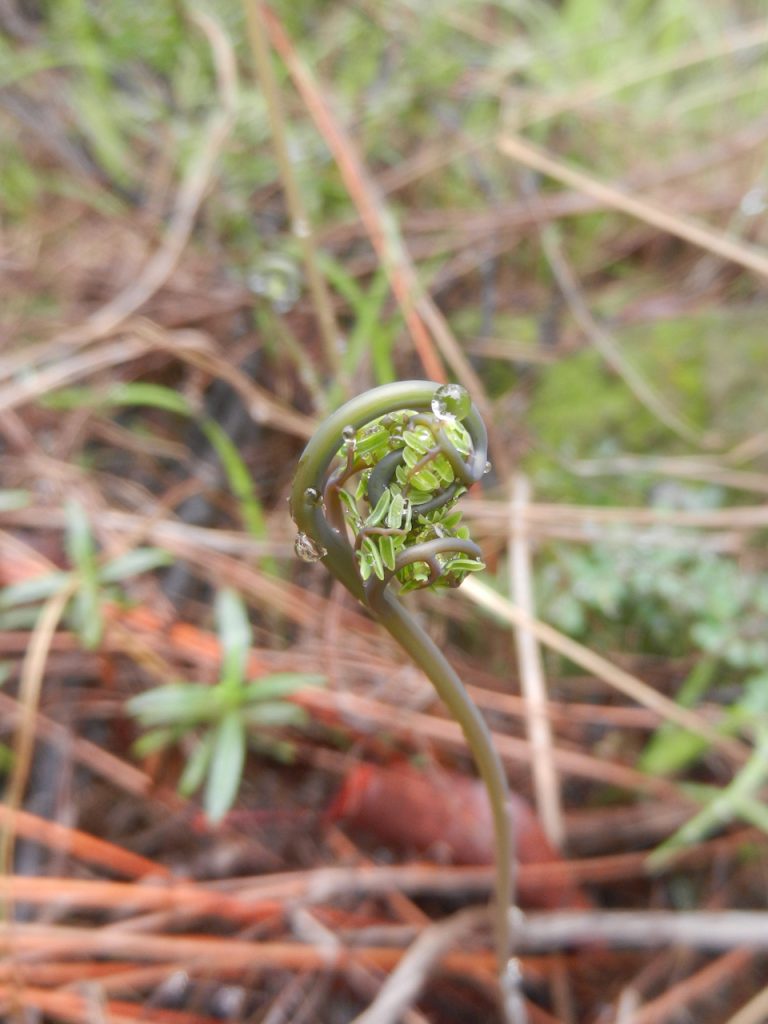
Pentagramma glanduloviscida; looking a little P. viscosa-esque with those +/- entire proximal basiscopic pinnules of the basal pinnae.
Pentagramma glanduloviscida

The collection trip was focused on the pteridaceous fern genus Pentagramma, and they managed to find 3.5 species: the goldback fern P. triangularis and the more or less silverback ferns P. maxoniiP. glanduloviscida, and a likely cross (allopolyploid?) between P. glanduloviscida and P. viscosaPentagramma currently has six recognized diploid species and an unknown number of polyploids (mostly triploids and tetraploids) formed through natural hybridization among the diploids. In order to get a better grasp of the morphological, genetic, and chromosome number variation among different populations of Pentagramma, Keir has been sampling from across the range of the genus, incorporating material from herbarium specimens and from the field. Fresh and living material collected on this trip will be particularly useful as it provides high quality DNA and RNA for sequencing work, is ideal for genome size analysis using flow cytometry, and may yield meiotically active cells suitable for chromosome counting work!
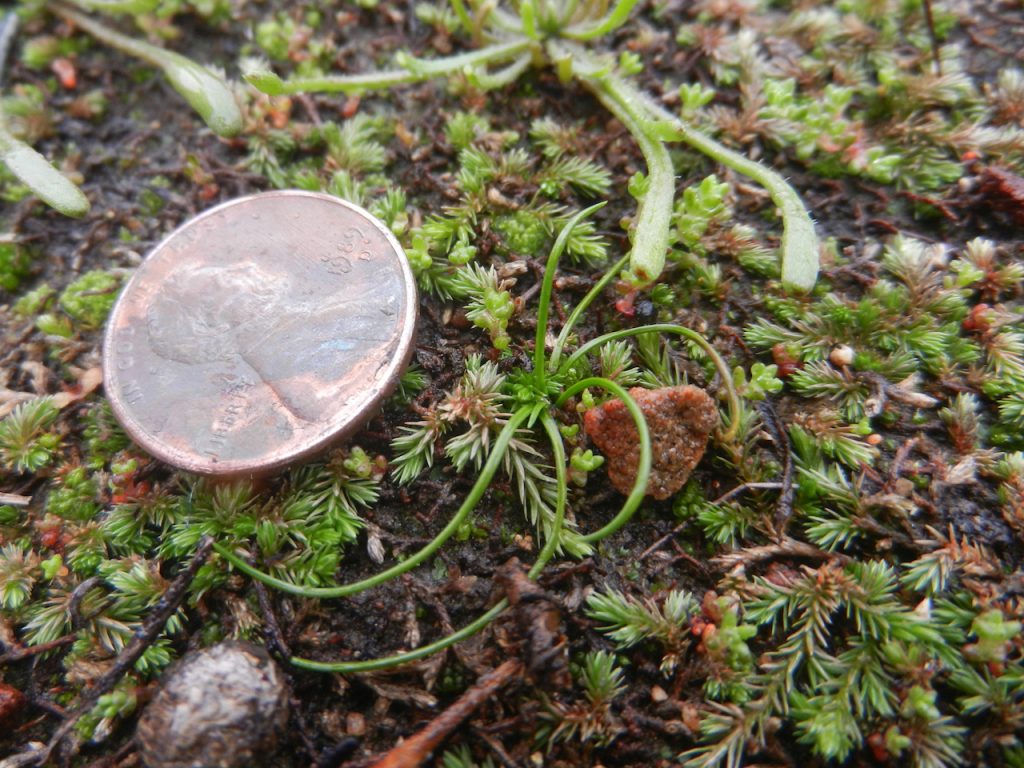
Isoëtes orcuttii and Selaginella cinerascens, N San Miguel Mtn., San Diego NWR


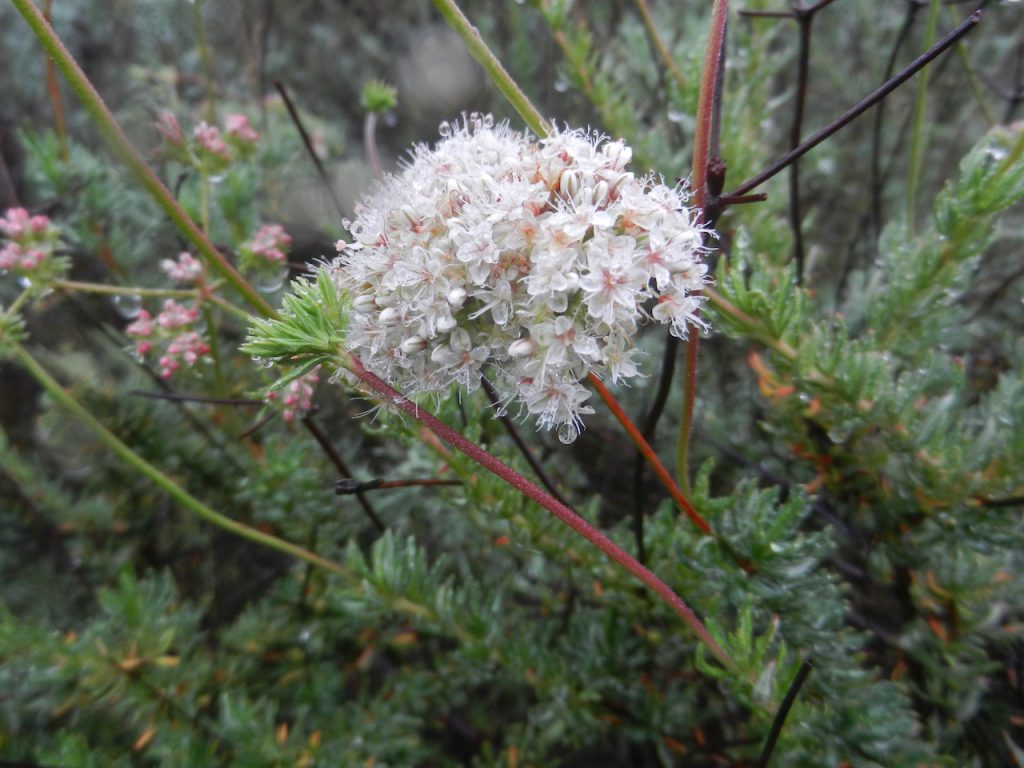
Eriogonum fasciculatum, Santa Margarita Ecological Reserve


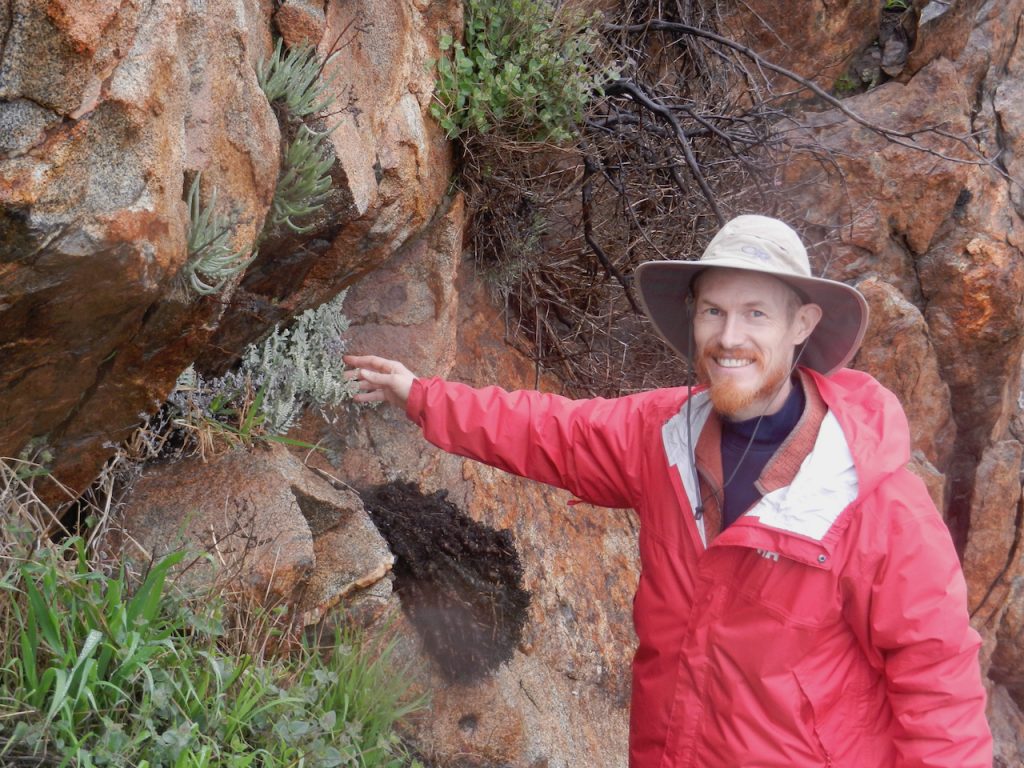
Forrest scouting ferns and lycophytes in the field after some serious rains, Santa Margarita Ecological Reserve


Keir feeling good about Myriopteris newberryi, Santa Margarita Ecological Reserve


Myriopteris newberryi


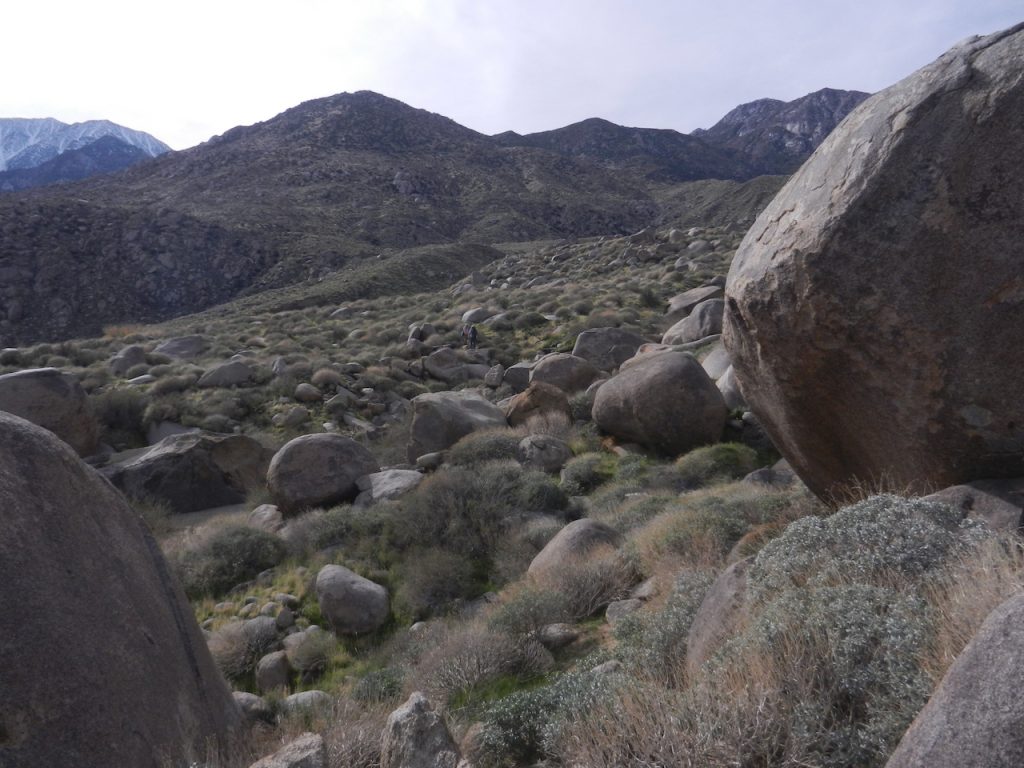
Oasis de Los Osos, UCNRS; westernmost Sonoran Desert, with Pentagramma maxonii!


Pellaea andromedifolia


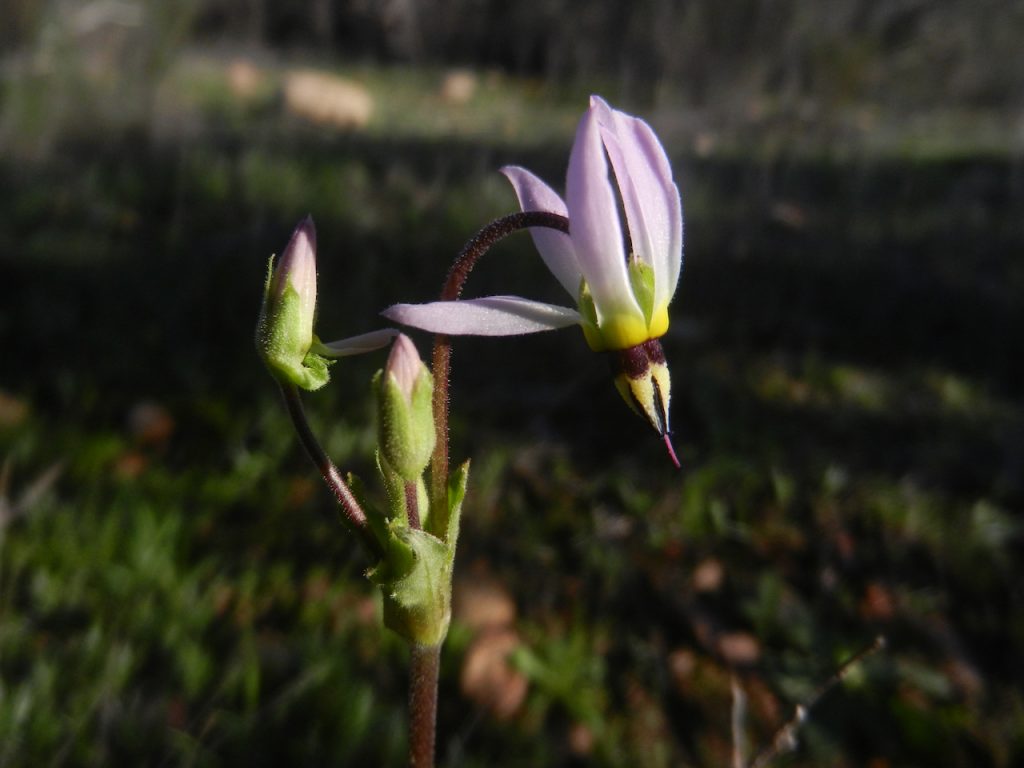
Primula (Dodecatheon) clevelandii, Elliott Chaparral Reserve, UCNRS


Sneak peak: Microbiomes dead or alive!

Resurrecting microbiomes past

Rothfels Lab graduate student Mick Song has caught the microbiome bug! After finishing a project studying the variation in the microbiota of Daphnia magna across genotypes, populations, and temperatures with longtime collaborator Dr. Sarah Schaack at Reed College, he gave a guest lecture and tutorial on microbiomes in Dr. Jeremy Coate‘s Bioinformatics course last November.

Now he is teaming up with Dr. Jordan Metzgar curator of the Massey Herbarium at Virginia Tech (who taught Carl how to do PCR many years ago!) and undergraduate student Amber Reaney to explore the possibility of capturing microbial diversity in herbarium specimens of Azolla, building off of the recent work of Daru and colleagues [1]. While they break new ground in the herbarium, Mick will be in the lab with live Azolla trying out some exciting protocols for extracting and characterizing the microbial diversity in the leaf pockets of Azolla across the genus. Although the Azolla-Nostoc symbiosis has been well-described [2], the community composition of the bactobionts as a whole remains poorly understood. Who knows what they will find!

[1] Daru et al. (2018), “A novel proof of concept for capturing the diversity of endophytic fungi preserved in herbarium specimens.”

[2] Li et al. (2018), “Fern genomes elucidate land plant evolution and cyanobacterial symbioses.”


Rothfels lab poet laureate

Ode to a Fern Foray

While botanists sit at home and reckon,
Far-flung Fijian forests beckon.
From far-afield a Fern man came,
Despite some age he still was Game.

With Sarah’s help rare ferns he sought,
About their Latin names he taught.
Up muddy paths, down streams they walked,
Of family and genus talked.

On highest peak, by every creek,
New species did they ever seek.
Ferns, lycophytes, more did abound,
With rarest ones still yet unfound.

Bright dragonflies did also gleam
in forest glades, by every stream.
Good natured Milen these did chase,
He cast his net with every pace.

Deep focus on the task at hand,
And bonding with the happy band,
Pushed cares away and made for play
On every happy ferny day.

If distant age brings feelings sad,
Fern memories may yet be glad,
And now far islands call us back,
To seek those ferns that yet we lack.

When long from now our time has been,
Ferns shall remain forever green –
And if one day the world should warm,
Bright ferns will weather every storm.


  —John Game, December 2018.


Flapjacks and tattoos in the November sun

Flapjacks and tattoos in the November sun

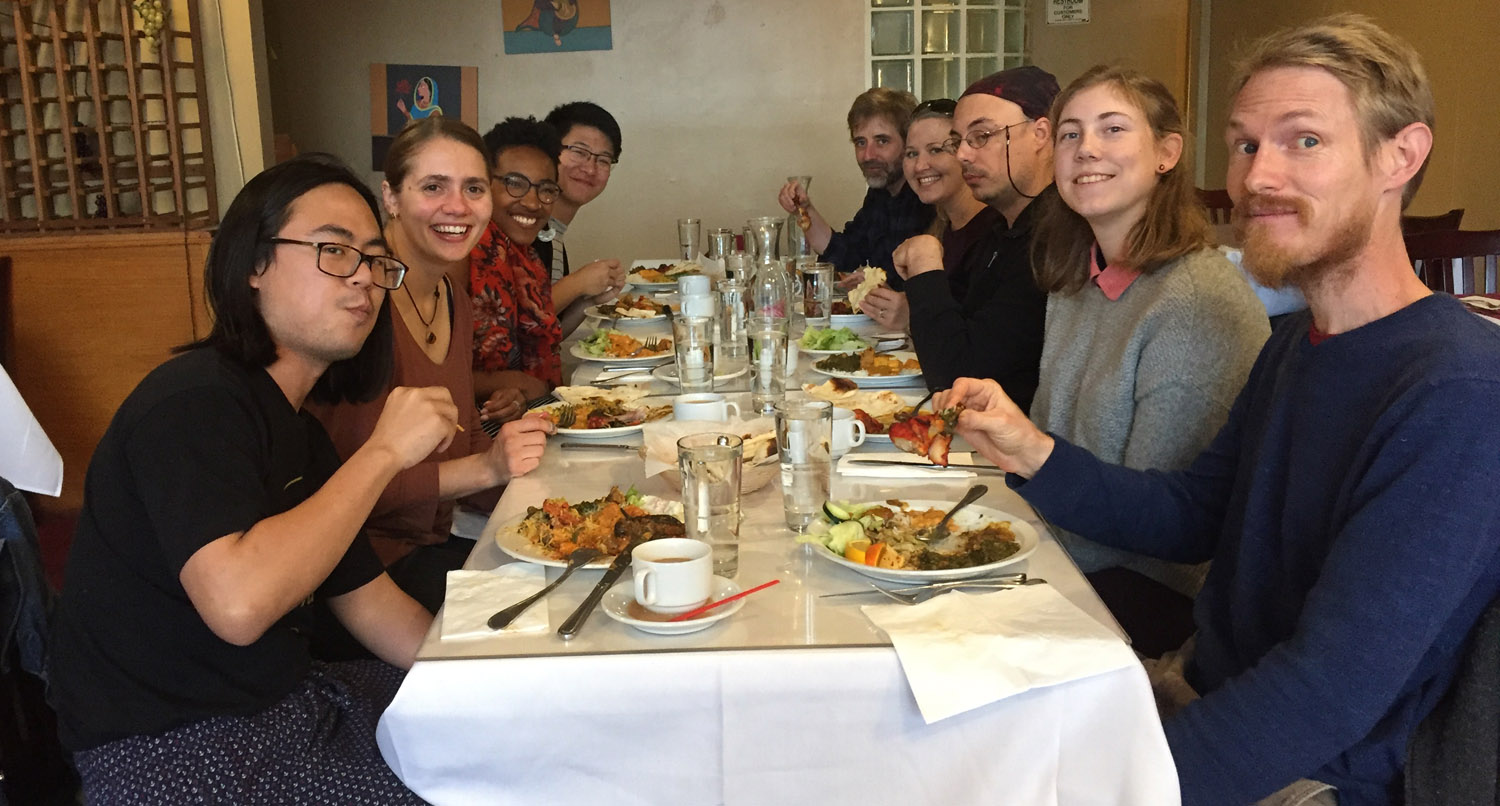
Many of us Rothfels labfolk gathered today for a brunch in the hot November sun to celebrate brunch and autumn and plants. We shared delicious food, coffee, wine, and many (all?) of us are now rocking biologically-accurate tattoos (supervised by tattoo artist Griffin Rain). It was great to get together outside of the lab and learn a little bit more about each other; e.g., that Carl, Griffin, and Carrie all look really good wearing cat ears! The spread included an amazing veggie-coconut cream-egg bake with optional Parmesan, buckwheat pancakes, gingerbread, fruit (Vitaceae, Anacardiaceae, Rosaceae, Ericaceae, Rhamnaceae…), baked butternut squash, and gummi marine animals.

Thanks to all who made it! [not pictured: Forrest, Keir, Larkin]


Lab photo fall 2018

Look’n Good in 2018

Time for the annual Rothfels lab photo! Rothfels lab-photo? Rothfels-lab photo? Rothfels lab lab photo?

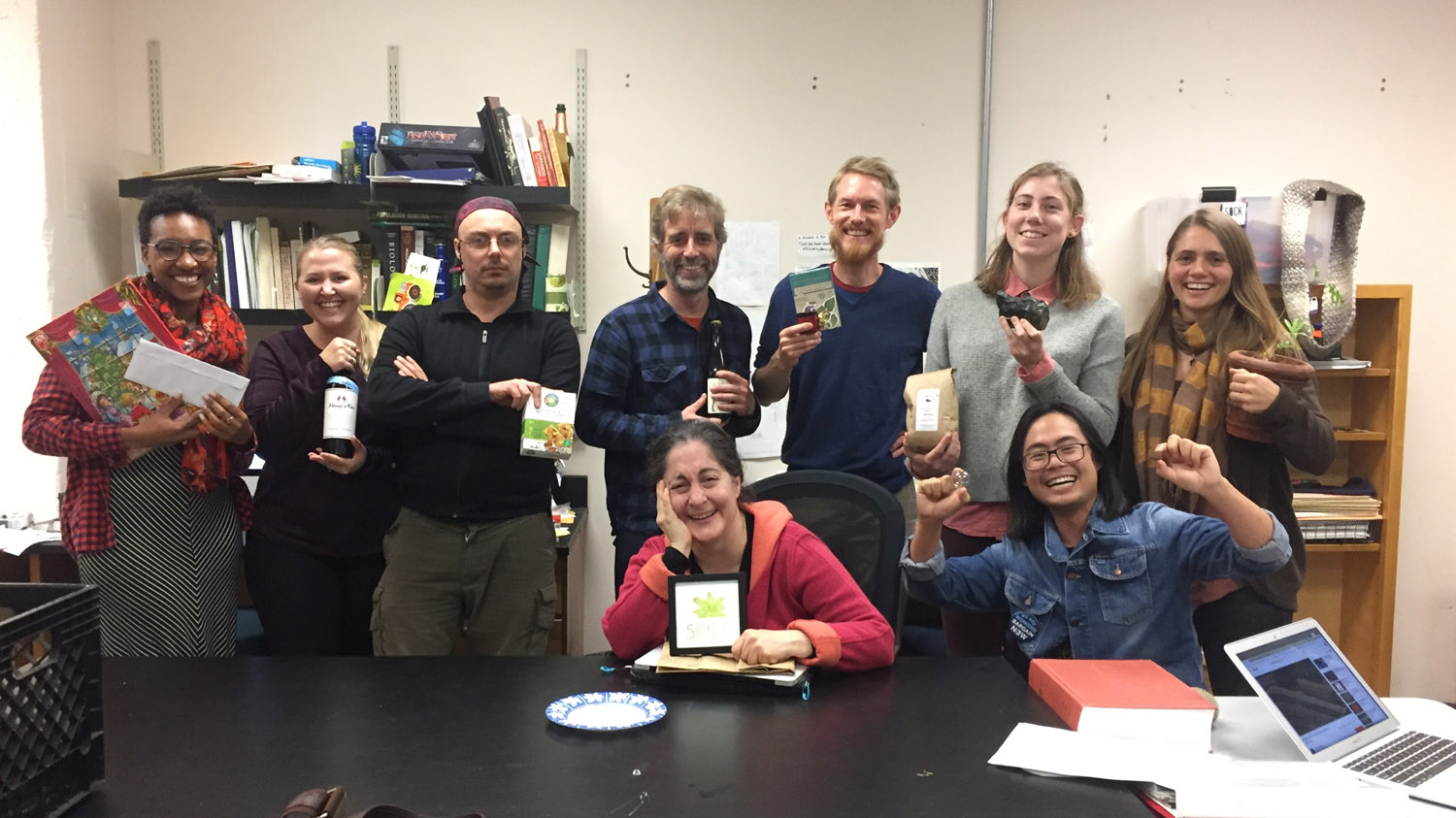
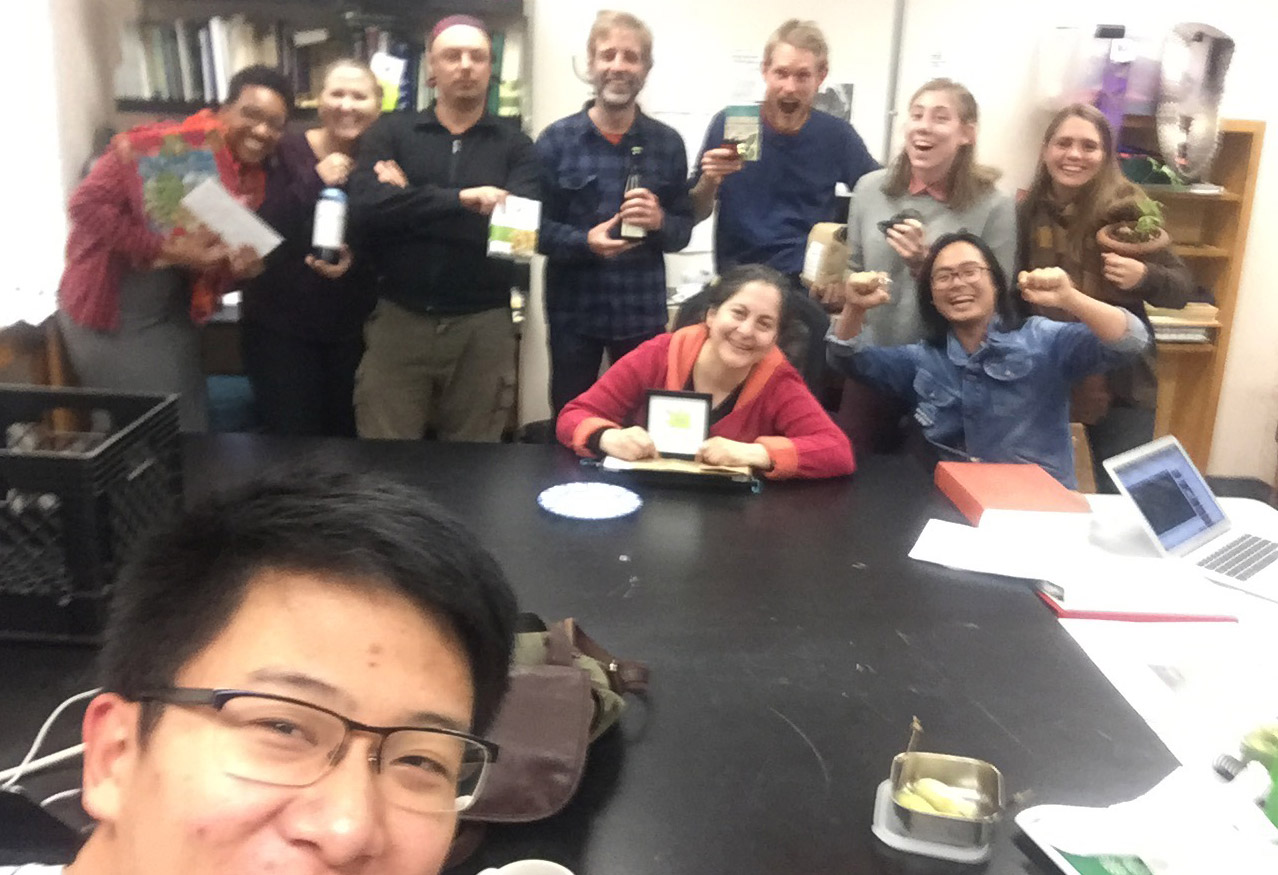
This is us! Fall 2018. Late October is totally fall. From L to R: Keir Wefferling, Jonathan Qu, Forrest Freund, Carrie Tribble, Abby Jackson-Gain, Athyrium filix-femina, Mick Song, Sonia Nosratinia, Carl Rothfels, Dori Contreras, Maryam Sedaghatpour, and Joyce Chery. Missing (also L to R): Alan Smith, John Game, and Sraavya Sambara.


This is also us, looking modestly more serious.


Goldback fern chromosomes!

Goldback fern chromosomes!

Under Alan Smith‘s tutelage, over the last few weeks I (Keir) have been learning the science and art of meiotic chromosome counting; from selecting and harvesting material at the right stage (it is so easy to catch sporangia just a little too late) to getting the right combination of blotting, tapping, and pressing, I have learned so much AND had some excellent luck! I also feel super lucky to have access to irrigated material at this time of year from Regional Parks Botanic Garden (up at Tilden)!

Mature frond of tetraploid Pentagramma viscosa (?), or more likely 4x P. triangularis crossed with P. ??. Note the golden, bioflavonoid-rich farina, and dark sporangia along the veins.

Today Alan and I counted our first Pentagramma tetraploid (2= 60II)! It was identified as P. viscosa, but it looks more like a P. triangularis to me…

Tetraploid P. viscosa (?); 2n = 60II. More likely 4x P. triangularis x something else.

Diploid P. pallida; 2n = 30II


…we’ll see upon closer inspection what the subgenomes have to say for themselves.


Carrie attends CGI-U meeting

Carrie attends CGI-U meeting

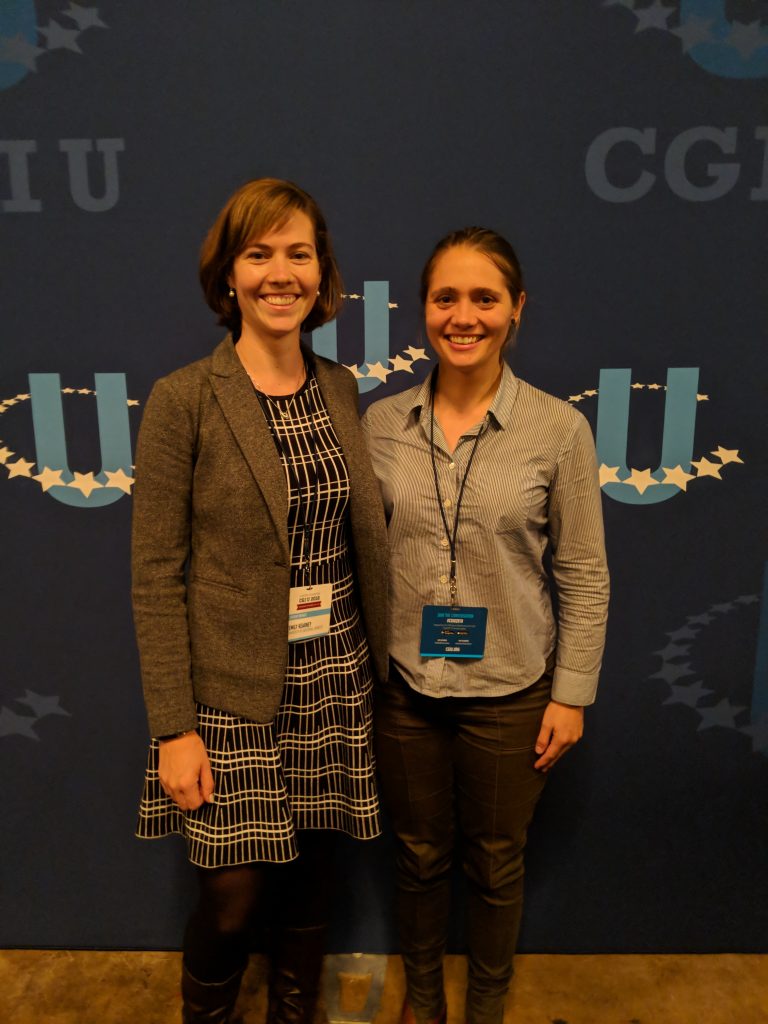
This past weekend, Carrie attending the 2018 Clinton Global Initiative University Campaign meeting at the University of Chicago. Along with other graduate students at UC Berkeley, Carrie has started Project Field Equity (Fe), with the mission to reduce the incidence of sexual harassment and assault during fieldwork and other off-campus learning opportunities.

During the meeting, attendees had the opportunity to network with other student-driven initiatives for change, hear from a variety of speakers, and workshop ‘commitments to action’ for the coming months. Keep any eye out for future updates from Project Fe, and feel free to reach out to Carrie or the other members for more information!